
Bridging the Disconnect in Software-Defined Vehicles
We build modern automotive organizational intelligence.
By uniting engineering intent, operational reality, and field service experience, Ridgeline helps advanced automotive teams eliminate the silos that compromise product scaling and market adaptation.
Today’s Challenge: The Triple Convergence
Automotive systems are undergoing a profound transformation. Software-defined architectures, advanced sensing, cloud connectivity, electrification, analytics, automation, and AI are converging into increasingly complex technical ecosystems.

Accelerated Technical Complexity:
Every new capability introduces interactions and dependencies across software, hardware, data, people, and specialized technical teams.
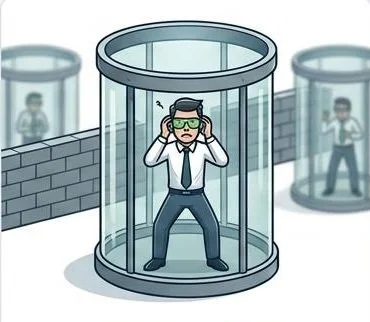
Domain Isolation:
Deep subject-matter expertise remains essential, but organizational boundaries can isolate engineering, operations, and service knowledge at precisely the time greater cross-functional understanding is required.
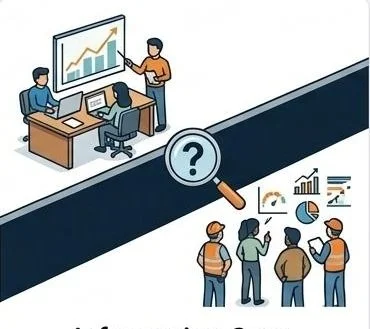
Information Gaps:
Engineering teams may have limited visibility into how systems behave, degrade, fail, and are ultimately diagnosed and serviced under real-world conditions.
As technical systems become more connected and intelligent, the organizations responsible for designing, operating, and servicing them must become more connected and intelligent as well.
The Product is Connected. The Organization Must Be Too
Deep domain expertise is more important than ever—but it cannot survive in isolation. Ridgeline connects specialized boundaries by cultivating Organizational Intelligence across four interconnected pillars:
Closed-Loop Intelligence:
Dynamically connecting what the organization knows across the entire lifecycle.

Cross-Functional Fluency:
Building mutual understanding and shared technical language across specialized boundaries.

Continuous Evolution:
Transforming real-world learning into ongoing improvement across products, systems, processes, knowledge, and technical capability.

Organizational Adaptability:
Enabling teams and systems to respond intelligently as technologies, operating conditions, and market requirements change.

Operationalizing the Space Between Disciplines
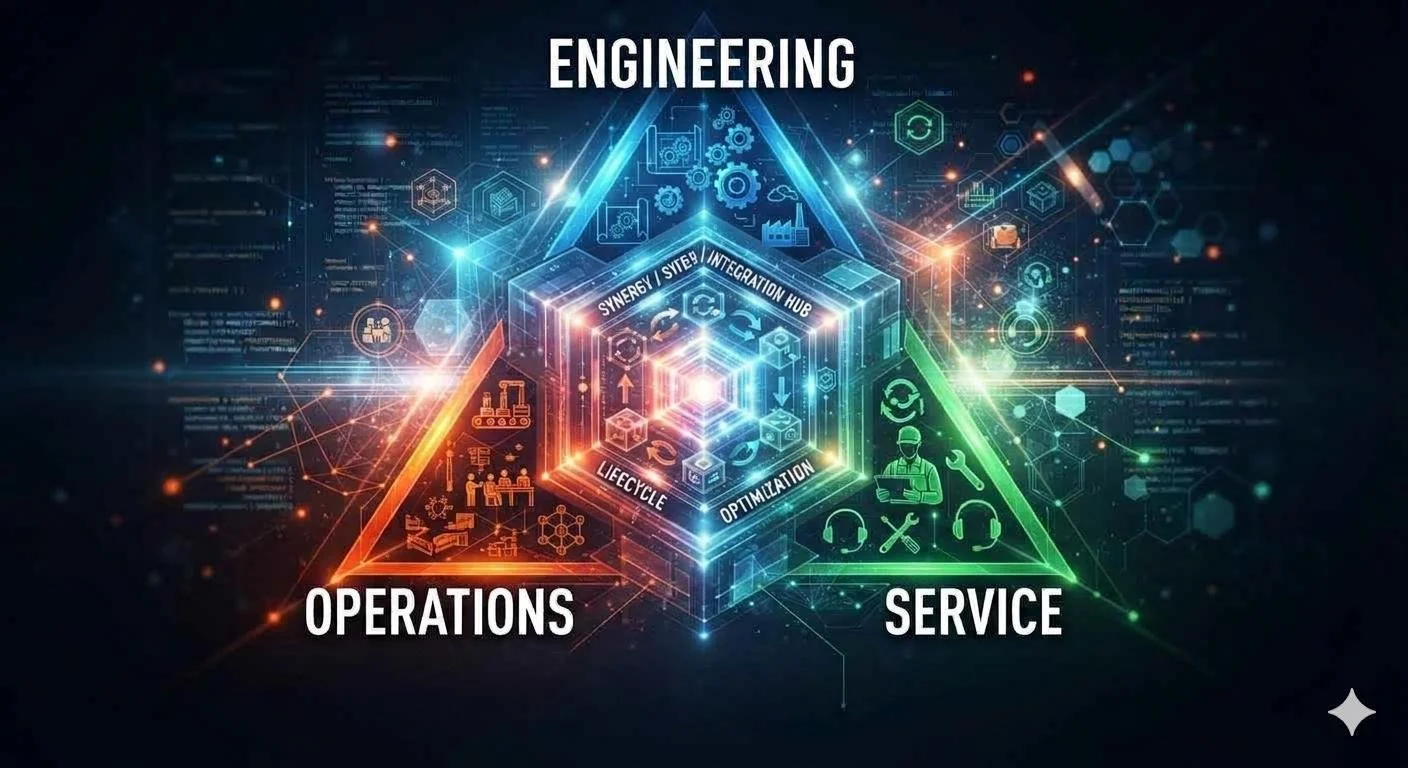
Engineering creates the foundational reality—originating the mechanical architecture, electrical infrastructure, systems integration, embedded software, data architecture, and increasingly intelligent system capabilities.
Operations experiences that reality—managing how the unified physical and digital architecture performs at scale under real-world constraints.
Service maintains that reality—diagnosing how the complete system behaves, degrades, fails, and is ultimately restored to operation.
Many of the hardest technical problems do not exist entirely within a single discipline—they emerge in the gaps between them.
As vehicles incorporate increasingly sophisticated software, connected data, analytics, automation, and AI, these interfaces become even more important. Technical intelligence has limited value if the people responsible for operating, diagnosing, servicing, and improving the system cannot effectively understand or act upon it.
Ridgeline works directly at these intersections to help technical systems and human capabilities adapt and evolve together.
Many of the hardest technical failures do not exist entirely within a single discipline—they live in the gaps between them. Ridgeline works directly at this intersection to design organizational systems that enable technical systems and human capabilities to adapt and evolve together.
Two Strategic Application Areas
Ridgeline applies the four pillars of Organizational Intelligence through two complementary strategic areas—strengthening both the technical systems organizations depend on and the human capabilities required to operate, service, adapt, and evolve them.
DESIGN FOR ADAPTATION & EVOLUTION
Focus: Strengthening the Product and System Ecosystem
Designing vehicles, systems, and supporting architectures with explicit consideration for downstream lifecycle behavior, human interaction, real-world operation, service, adaptation, and continued evolution.
As products increasingly incorporate software, telemetry, analytics, automation, and AI, their architectures must support visibility, diagnostics, serviceability, changing requirements, and continued improvement. Intelligent capabilities should remain observable, maintainable, serviceable, and capable of evolving as field experience, technology, and operating requirements change.
SCALE TECHNICAL CAPABILITY
Focus: Strengthening the People and Infrastructure
Developing the human capability and enabling infrastructure required for people to operate, diagnose, service, manage, adapt, and evolve alongside increasingly complex technical systems.
Intelligent technology does not automatically create intelligent operations. As systems become increasingly software-defined, connected, and AI-enabled, people need information, tools, knowledge, and decision support they can understand and act upon.
Education & Training: Building adaptive learning cultures over rigid static instruction.
Human + System Interface: Optimizing how teams interact with complex digital workflows and intelligent systems.
Information & Knowledge Access: Transforming technical information and system intelligence into actionable, cross-functional understanding.
Data Access: Establishing transparent, relevant data flows across organizational boundaries.
Tools & Technology: Equipping teams with appropriate tools for modern SDV diagnostics, analysis, and decision support.
Autonomy Within Guardrails: Enabling informed decision-making while maintaining appropriate organizational and technical controls.
AI & Intelligent Systems Integration
AI, analytics, connected data, and intelligent decision support can strengthen both serviceability and technical capability—but only when they function effectively within the larger technical and organizational system.
Ridgeline helps organizations evaluate where these technologies can create meaningful value while ensuring they remain usable, explainable, maintainable, and connected to real-world field operations.
Our focus is the architecture surrounding intelligent systems: requirements, serviceability, technical workflows, human interaction, organizational interfaces, field integration, and feedback. Where specialized model development, data engineering, or software implementation is required, Ridgeline can work alongside the appropriate engineering and technology specialists.
Build good systems.
Develop capable people.
Connect them through Organizational Intelligence.Better technical systems reduce unnecessary human burden. Greater technical capability enables people to manage necessary complexity. Ridgeline Organizational Intelligence continuously connects the two.
Six Boundaries of Evaluation
Every technical or organizational improvement creates consequences beyond its immediate objective. Ridgeline evaluates decisions and changes across six interconnected boundaries to identify downstream impacts and avoid transferring complexity from one part of the system to another.
Safety • Quality • Efficiency • Adaptability • Operability • Serviceability

Building the Capability to Adapt & Evolve
Greater Adaptability:
Respond intelligently as technologies, operating conditions, and requirements change.
Reduced Rework & Waste:
Reduce domain confusion, duplicated effort, and downstream correction.
Stronger Technical Capability:
Enable people and knowledge systems to keep pace with increasing technical complexity.
Accelerated Operational Scaling:
Better align technical development, deployment, operations, and field support.
Safer, Higher-Quality Systems:
Identify downstream consequences earlier in the lifecycle.
Minimized Asset Downtime:
Improve real-world observability, diagnostics, serviceability, and technical decision-making.